 THE GAME ARCHIVE
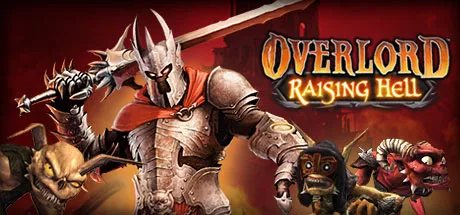
Command a Horde of Minions as the Overlord
In Overlord: Raising Hell, an RPG from Triumph Studios, you take the role of the Overlord, described as an all-powerful dark lord who commands a horde of minions and has a land to conquer. The minions are characterized as slavish and loyal, and the game frames the player's commands as law: these creatures will smash, destroy, kill and steal on the Overlord's behalf. So the central loop is giving orders to a swarm rather than acting alone, with the horde serving as the instrument through which the Overlord dominates the world around him.
The single-player expansion content builds its abyssal conquest on top of that command role, adding a series of hellish new levels positioned as supernatural abysses for the game's five kingdoms: Mellow Hills, Evernight, Heaven's Peak, the Golden Halls and the Ruborian Desert. Each abyss is reached through a portal, and a portal opens only after a kingdom has been successfully conquered and its previous ruler banished to a personal hell inside. The two rules chain together: conquest first, then the descent, turning each finished kingdom into the gateway to its own underworld.
Conquer Five Kingdoms, Then Open the Portals
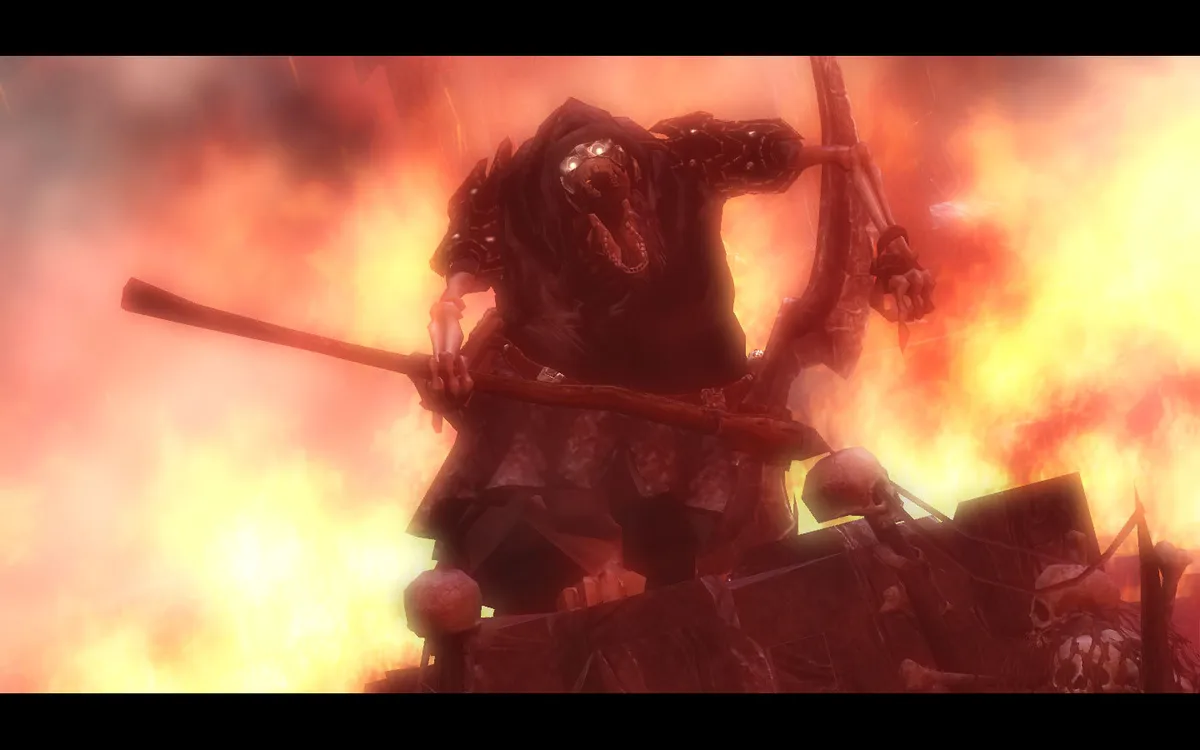
In Overlord: Raising Hell, the single-player expansion adds hellish levels called abysses for each of the five kingdoms: Mellow Hills, Evernight, Heaven's Peak, the Golden Halls, and the Ruborian Desert. The rule that links them is fixed: a portal to an abyss opens only after you have conquered its kingdom and banished the previous ruler to a personal hell inside. Conquest is therefore the trigger; the portal is the gate, and no descent is possible until the ruler is cast down.
Once a portal opens, the abyss becomes a new battlefield. The undead denizens of each abyss attack and threaten the Overlord's reign above ground, so the documented response is to assemble the minion army, descend into that abyss, and begin a fresh wave of tyranny. That descent has named goals: return the serfs to their homelands, defeat the fallen heroes once and for all, and claim the throne of each kingdom's underworld. Kingdom conquest thus progresses into underworld conquest, one abyss at a time.
Descend Into the Abysses: Rescue Serfs, Defeat Fallen Heroes
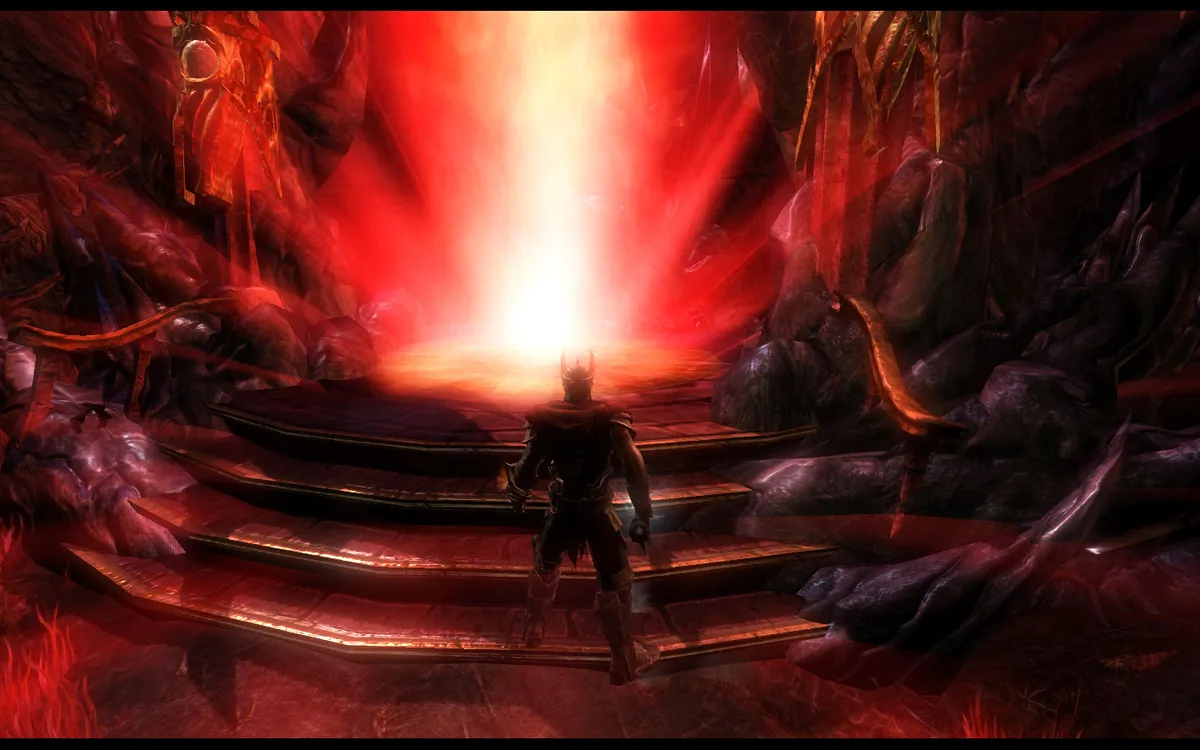
Each abyss is not an empty cavern but an active hostile zone. The undead denizens of every abyss are on the attack, and their pressure reaches upward to threaten the Overlord's reign above ground. The documented countermeasure is to assemble the minion army, descend into that abyss, and start a fresh wave of tyranny there. So the descent converts the horde from a surface occupying force into an underworld strike force, and the fight inside the abyss is tied directly to holding the kingdom already taken.
Once inside, the abyss sets specific work. Serfs who were dragged down into hell must be returned to their homelands, so the minion army acts as an escort and recovery force rather than a pure wrecking crew. The fallen heroes must be defeated once and for all, giving each abyss a named opposing force to break. Finally, the throne of that kingdom's underworld has to be claimed. These three tasks stack with the horde command: the same loyal creatures that smash, destroy, kill and steal above are the instrument for returning serfs, ending fallen heroes and taking each underworld throne.
The Challenge Pack: Seven Online Multiplayer Maps
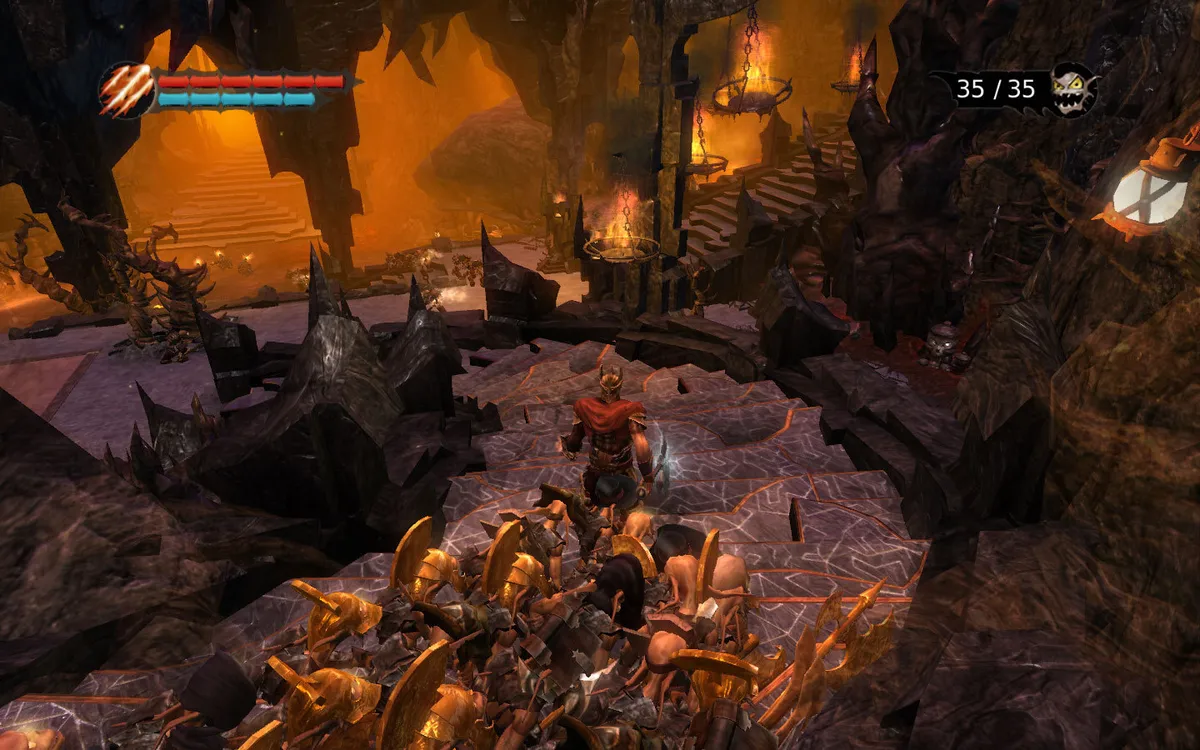
The Challenge Pack broadens the game's pillaging beyond the single-player abysses with seven additional online multiplayer maps. Two of the maps are named and give the pack contrasting objectives. Capture the Maiden is described as a competitive map, so the two sides contend directly over a single objective rather than simply fighting over ground. Protect Your Power instead frames the match as defense: players must hold the Overlord's tower against waves of enemy attack. One map sets players against each other, the other sets them against repeated assaults on a fixed structure.
These maps sit beside, not inside, the campaign's abyssal descent: the seven online maps are the Challenge Pack's multiplayer offering, while the abysses are entered through portals that open only after each of the five kingdoms is conquered. The pack therefore adds a separate arena for the same Overlord role and horde command. Its source listing records the game on Windows and gives a Steam product date of 2008, which is the store record rather than a statement of the original game's release.
Sources & further reading.
- Overlord™: Raising Hell — official game profile Retrieved Oct 21, 2026
First published .