 THE GAME ARCHIVE
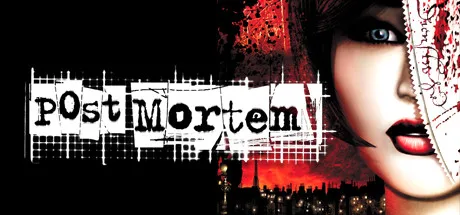
A Reluctant Detective in Paris
Gus Macpherson, a former New York detective, has left the city behind for the quiet streets of Paris, intending to spend his time painting. The adventure premise interrupts that plan: a sensuous woman hires him to investigate the gruesome beheadings of her sister and brother-in-law. Gus is drawn back into detective work while plagued by a clairvoyant sixth sense. The game is presented as an Adventure title, and it functions as a prequel to the Still Life adventure game, placing its investigation ahead of that later story. The Steam product record for the game is dated 2011.
The documented rules of play tie the case to the setting: the investigation unfolds in the dark and mysterious streets of Paris, and Gus's clairvoyant sixth sense accompanies him as he works the beheadings case. The profile lists rich and intriguing characters and a detailed, realistic environment as features, alongside multiple game paths integrated into the story and original, creative puzzles. A conspiracy written in blood, with rituals and artifacts as old as time itself, is the thread Gus uncovers. These named elements define how the detective premise, the Paris setting, and the adventure structure connect.
A Conspiracy Written in Blood
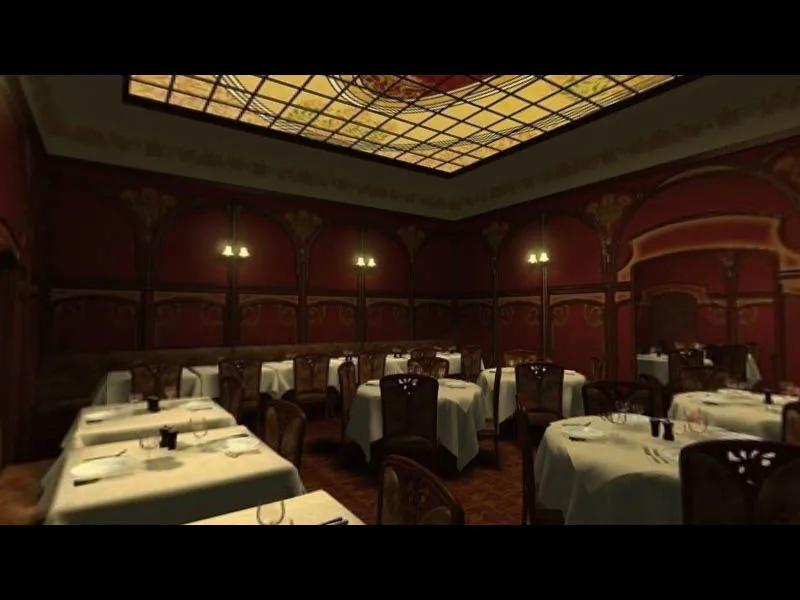
The investigation begins with a specific case: a woman hires Gus Macpherson, a former New York detective, to look into the beheadings of her sister and brother-in-law. The setting is the dark and mysterious streets of Paris, and Gus is plagued by a clairvoyant sixth sense as he works. The game lists rich and intriguing characters and a detailed, realistic environment among its features, so the case is pursued through interactions with those characters in that Paris setting. The objective is to investigate these killings, and the rules tie the detective premise directly to the crime and the people involved.
As Gus investigates, the case expands into a conspiracy written in blood, with rituals and artifacts as old as time itself. That is the named objective: to uncover this conspiracy, not merely to identify a single culprit. The game also lists multiple game paths integrated into the story and original, creative puzzles as features, so the investigation is structured around branching story paths and puzzles. The conspiracy, the rituals and artifacts, and the Paris setting together define how the detective work and the adventure structure connect.
Panning the 360° Streets of Paris
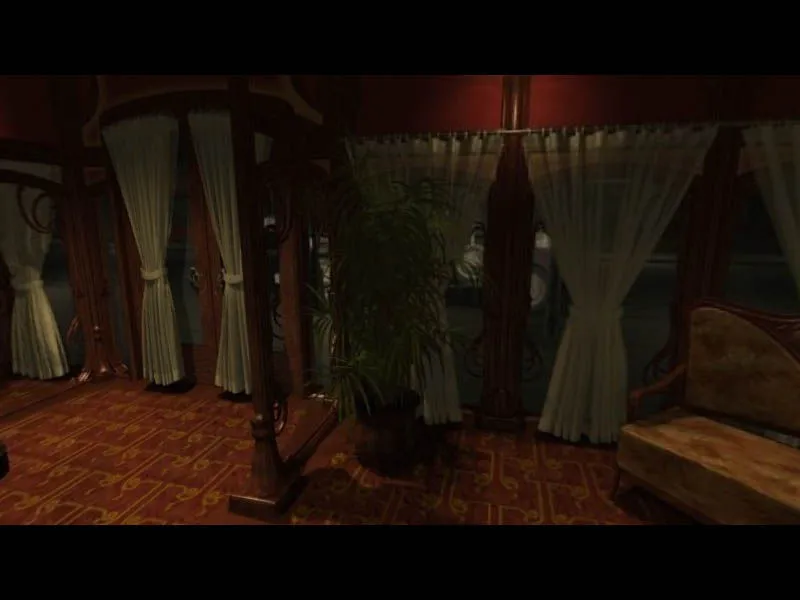
The panoramic presentation places the player inside Paris rather than viewing it from a fixed vantage. The 360-degree views let the camera sweep around each location, so the dark and mysterious streets can be examined from any direction. This is paired with a detailed, realistic environment, meaning the city is rendered with attention to its streets and surroundings. Together, the full rotation and the realistic detail serve the investigation: as Gus Macpherson works the beheadings case, the player turns through each scene to take in the environment around him.
These views sit inside an Adventure game, the mode in which the case is pursued. In that structure, the player pans across the 360-degree streets and inspects the detailed, realistic environment as part of the investigation. The same profile lists rich and intriguing characters, multiple game paths integrated into the story, and original, creative puzzles. So panning the Paris streets is one layer of an adventure that also moves through character interactions, branching story paths, and puzzles, with the panoramic views and the realistic setting framing the detective work.
Puzzles and Branching Paths
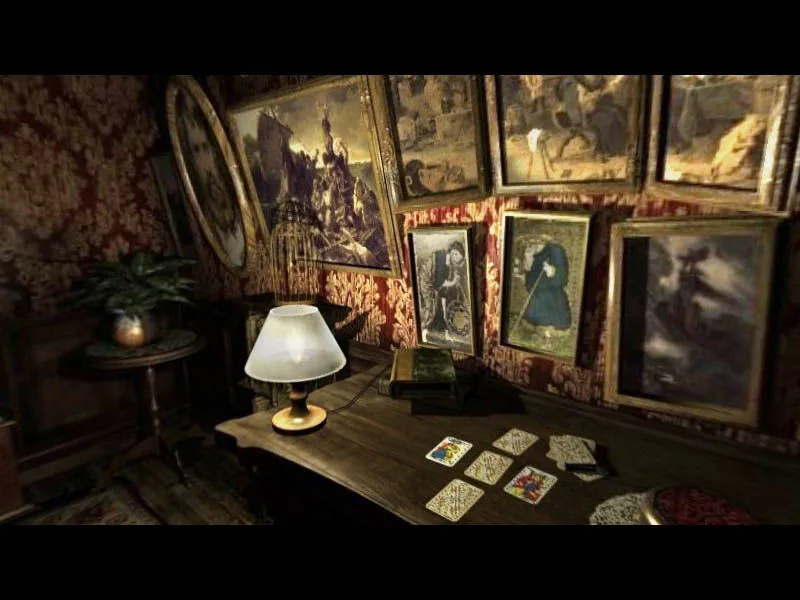
The puzzle layer is described as original and creative, and it is paired with multiple game paths integrated into the story rather than kept separate from it. Because the paths are woven into the narrative, the investigation of the beheadings can proceed through more than one route, and the puzzles sit along those routes rather than in a detached challenge mode. Gus Macpherson moves the case forward through puzzles and branching structure at once, so solving and choosing are both part of how the detective story advances.
The larger objective shapes what those paths and puzzles serve: Gus must uncover a conspiracy written in blood, involving rituals and artifacts as old as time itself. That goal is broader than identifying one killer, so the branching paths and original puzzles feed into tracing the ritual and artifact conspiracy through the dark streets of Paris. The documented features do not specify the number of paths, the puzzle types, or exactly how each branch changes the story; they establish only that multiple story-integrated paths and creative puzzles belong to the investigation.
Sources & further reading.
- Post Mortem — official game profileRetrieved Oct 27, 2026
First published .