 THE GAME ARCHIVE
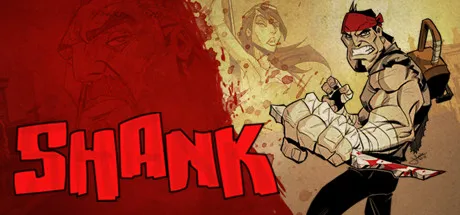
A Sidescrolling Beat-Em-Up Built for Shooting and Slashing
Shank unfolds as a sidescrolling beat-em-up, with the action moving laterally while enemies close in from ahead and behind. The core attack loop is built around two complementary methods: shooting and slashing. You play as the title character, Shank, cutting and firing through hordes of enemies in what the game frames as a stylized slaughter fest. Combos are part of the combat design, giving the shooting and slashing a structured flow rather than isolated strikes. The presentation leans on an over-the-top grindhouse tone, and the roster of opposition runs from ordinary hordes to bosses, so encounters vary in scale within the same sidescrolling framework.
The narrative motive driving the campaign is retribution. Shank battles his way through the criminal underground on a path described as blood-soaked revenge, a quest for retribution that supplies the reason to press forward through each wave of enemies. These two ideas work together: the revenge framing gives the horde-clearing a destination, while the shooting-and-slashing combat is the means of advancing through the criminal underground. Enemies and bosses stand between Shank and that goal, and the grindhouse styling colors the whole journey. The documented material describes the revenge quest and the combat verbs without detailing specific stages or progression rules.
Weapon-Based Combos From an Exhaustive Arsenal
Shank's combat is organized around a weapon-based combo system rather than isolated strikes. The documented design lets you string together endless combos on the fly, chaining attacks into one another as you pummel opponents to the ground. This is tied directly to the arsenal: an exhaustive selection of weapons feeds the combo strings, so switching between tools is part of building a sequence rather than a separate mode. The mayhem-and-destruction framing describes the result of these linked hits, with the combo system providing the structure that holds the shooting and slashing together during a fight.
The weapon roster and the combo rules interact in a specific way: the arsenal supplies the tools, and the combo system is what you use to link them into continuous offense. Because the combos are described as strung together on the fly, the flow depends on chaining a current weapon's strikes into the next rather than resetting between exchanges. The profile also describes the controls as silky smooth, a quality noted alongside the fast-paced bloody action. Together these elements define the section's focus: an exhaustive arsenal, on-the-fly chaining, and ground-pounding finishers delivered through the weapon-based system.
Hordes, Armed Enemies, and Eight-Plus Boss Battles
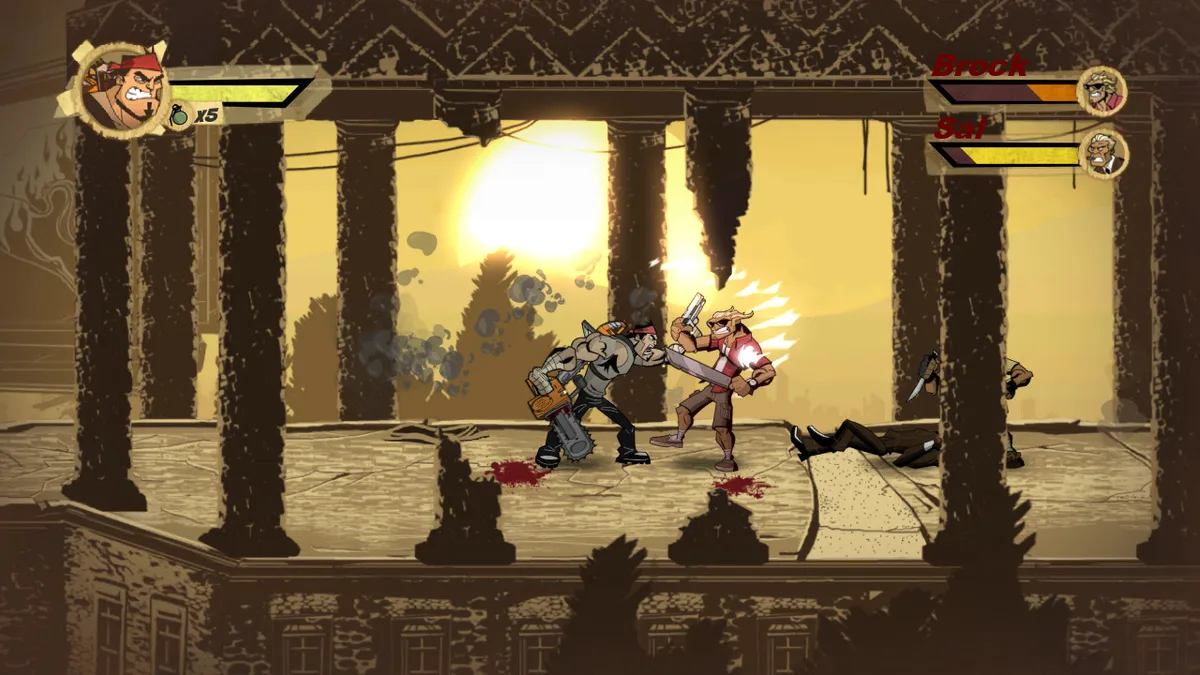
In the single-player campaign, Shank moves through the criminal underground against hordes of enemies, using shooting and slashing within the sidescrolling framework. The two-player local co-op is set apart: it is a separate backstory functioning as a prequel to the single-player experience. There, two players murder with a friend while facing a legion of well-armed enemies, so the co-op opposition is described in terms of armed opponents rather than the same horde phrasing used for the main campaign.
The boss roster is documented as over eight different massive and unique bloody boss battles. These are framed as brutal boss battles, and the game profile lists enemies and bosses together as features of the grindhouse package. Within the same enemies-and-bosses structure, ordinary horde encounters and boss fights therefore differ in scale, with each boss encounter presented as a distinct, oversized confrontation rather than another wave of standard opposition.
Single-Player Revenge and a Two-Player Co-Op Prequel
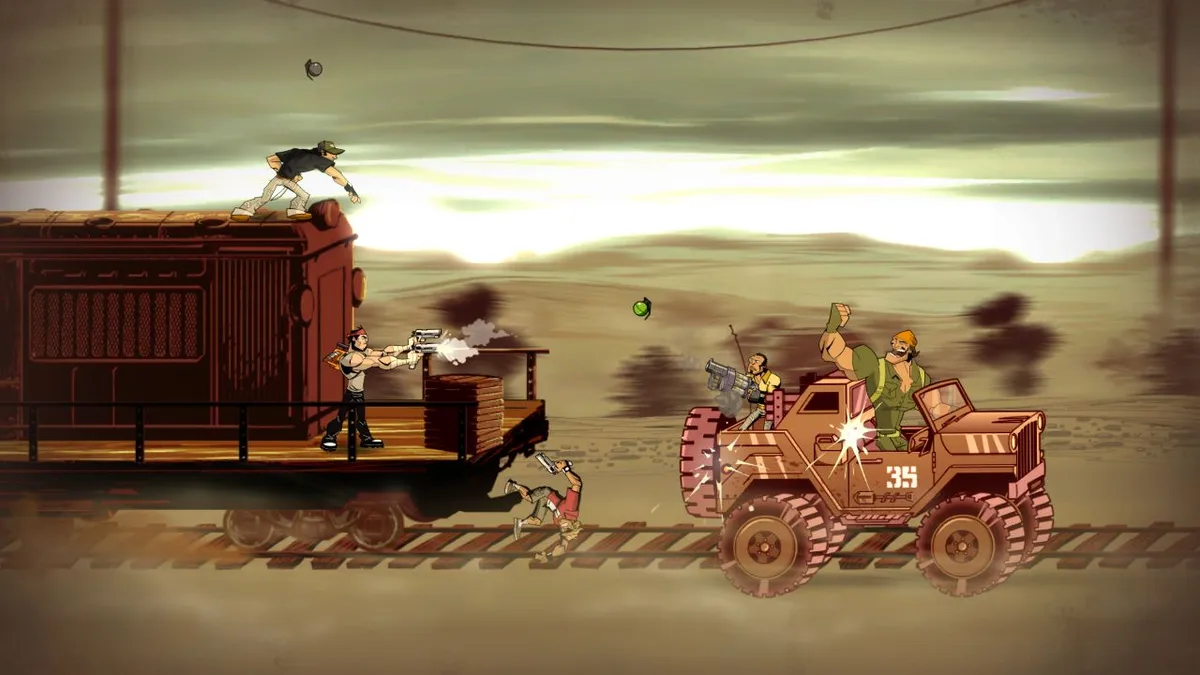
The single-player experience casts Shank as a lone figure carving through the criminal underground, cutting and firing through hordes of ordinary enemies as he pursues retribution. Within that campaign, the shooting-and-slashing combat and weapon-based chaining carry the action, while the opposition scales upward from standard waves to the massive boss confrontations described elsewhere in the game profile. The solo structure is framed as the central story, with the player controlling Shank alone through the sidescrolling encounters that make up the main campaign.
Set apart from that solo campaign is the two-player local co-op mode, which the profile presents as a separate backstory serving as a prequel to the single-player experience. In this mode, two players murder with a friend and face a legion of well-armed enemies, so the opposition is framed around armed opponents rather than the horde language used for the main campaign. Because it is a distinct backstory rather than a drop-in version of Shank's revenge run, the co-op prelude places both players inside an earlier episode of the same bloody world.
A Grindhouse Graphic-Novel Look With Animated Cinematics
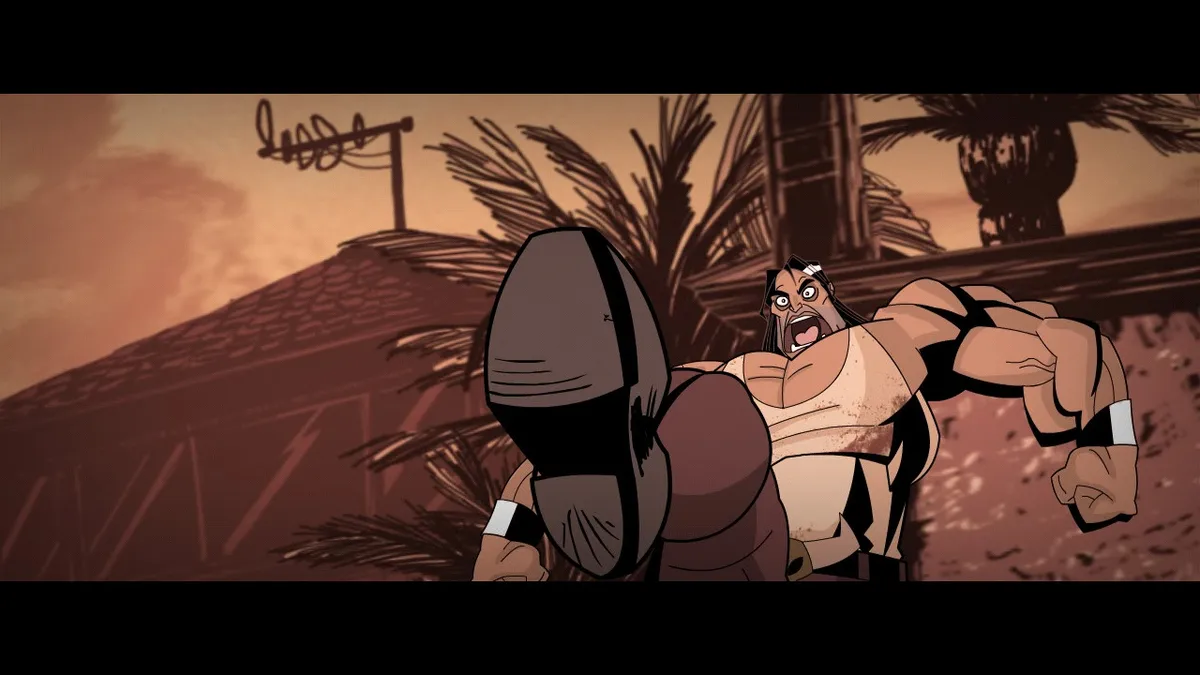
Shank's visual presentation is built on a pulpy grindhouse art style that sits alongside the game's fast-paced bloody action. A separate but related descriptor calls the look a violent graphic novel style, with beautiful and fluid graphic novel art and animation. The two descriptions reinforce each other: the grindhouse tone supplies the exploitation-cinema flavor, while the graphic-novel rendering gives the bloodshed a drawn, illustrated surface. The animation is styled by veteran director Jeff Agala, tying the art direction to a named hand rather than a generic house style.
Beyond the in-game art, the profile lists gorgeous, fully animated story cinematics as a key feature. These cinematics carry the narrative between bouts of combat, extending the graphic-novel presentation into animated story sequences rather than confining it to the playable sidescrolling action. The cinematic framing works with the established visual language: the same grindhouse and violent graphic-novel sensibility described for the game is what the story interludes are built around, so the animated sequences and the combat share one drawn, pulpy aesthetic across the campaign.
Sources & further reading.
- Shank — official game profile Retrieved Oct 19, 2026
First published .