 THE GAME ARCHIVE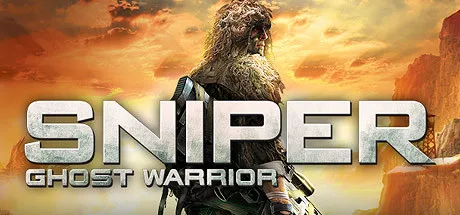
Sniper: Ghost Warrior is a 2010 Windows action game from developer City Interactive and publisher CI Games. The player takes the role of a Ghost Warrior, an elite sniper in a highly trained special operations unit, and mission success turns on four documented skills: stalking, target detection, surveillance and shooting accuracy. Because covert missions force the player to operate undetected while eliminating hostile enemies one headshot at a time, approach, observation and the shot form one continuous problem rather than three separate phases.
What separates the game from a straight-line shooter is the firing model beneath the stealth. A realistic ballistics system measures bullet trajectory, bullet drop and environmental effects such as wind, fog and rain, and the player manages breathing to increase the accuracy of sniper shots. A round does not simply follow the crosshair: distance and weather enter the calculation, and the shooter's own steadiness is a second variable. That pairing of a physical firing model with a stealth objective is the heart of the design, and the four sniping rifles are the tools the whole routine is built around.
Core Loop: Stalk, Detect, Watch, Shoot
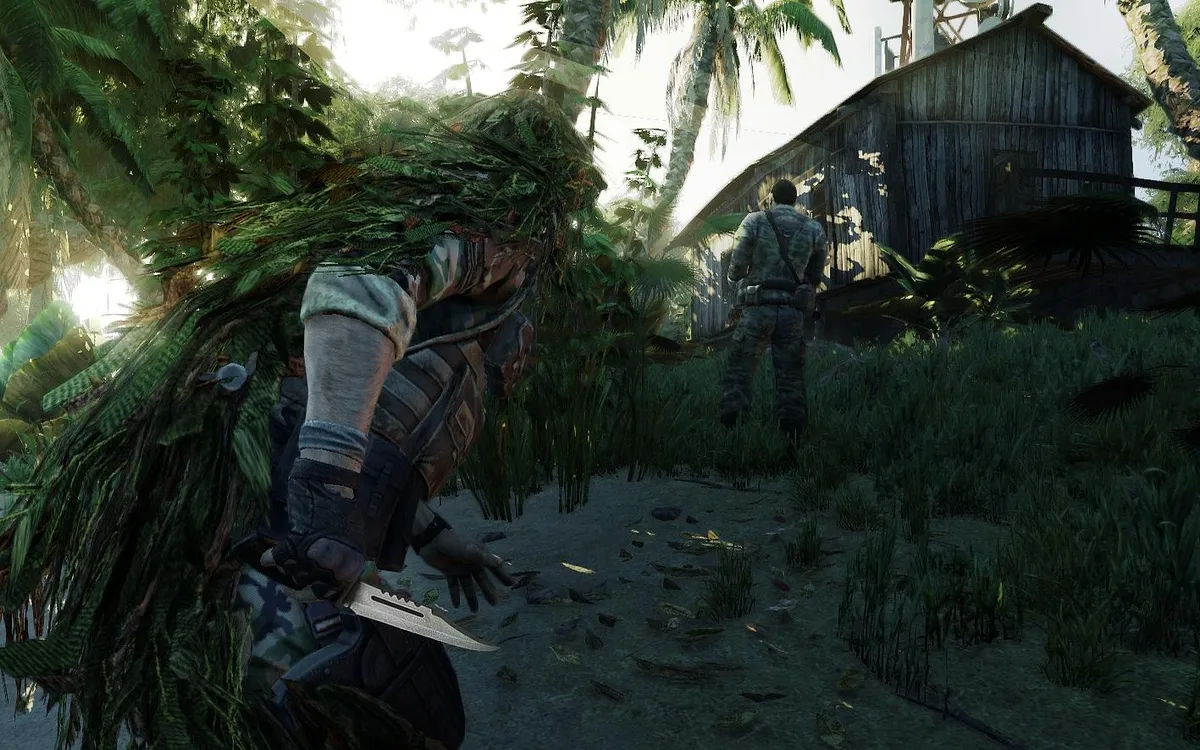
The four named skills slot together in a documented order. Stalking carries the sniper into position without being seen. Target detection and surveillance locate the hostile and establish what the player is actually looking at. Shooting accuracy settles the outcome. Covert missions require undetected operation throughout, so this is not a menu of alternatives; the shot is the closing motion of a chain that begins with moving unseen and watching carefully. In practice, the player is choosing a firing position for what it lets them observe before they ever settle the crosshair.
The stated elimination method is a headshot, one hostile at a time. That rule changes how a position is read. Because the mission must stay undetected, and because enemies are removed individually, a spot is valuable for the sightline it provides and for the concealment it preserves. Detection and surveillance are not flavor around the rifle; they are the stage that makes the accurate shot possible, and the player who skips them is gambling on a shot they have not actually set up.
Breath control is the bridge between observation and the shot. Managing breathing increases the accuracy of sniper shots, which makes the moment of firing an active decision: the player has scouted the target and now has to hold the aim steady enough for that accuracy to count. A headshot is therefore the product of patience in two registers, waiting to be seen by no one and waiting for the hold to settle.
Mechanics: Breath Control and the Ballistics Model
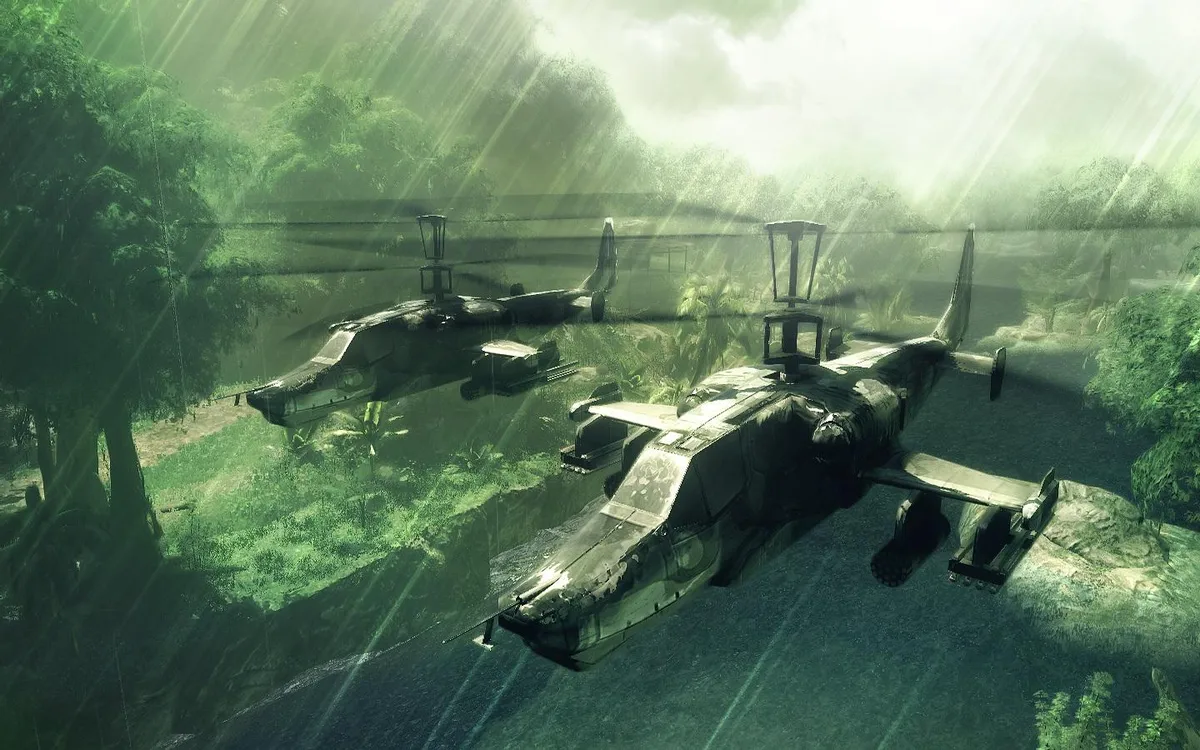
The ballistics system measures bullet trajectory and bullet drop, meaning a round falls over distance instead of traveling flat to the crosshair. The same system measures environmental effects such as wind, fog and rain, so weather shares the calculation with distance. In play, range-reading and condition-reading become a single task: the player judges how far the target is and how the air between rifle and target will bend the shot before committing. A distant silhouette and a nearby one are not the same problem, and the weather is part of the difference.
Breath control sits on top of that model. Because managing breathing increases sniper shot accuracy, a correctly calculated shot can still be spoiled by an unsteady hold, and a steady hold cannot rescue a shot aimed without accounting for drop and weather. The two systems are complementary, which is why the game presents its sniping as demanding rather than as a single timing challenge. The player is effectively solving a distance-and-condition problem, then adding a steadiness problem on top of the solution.
These conditions are spread across a wide array of single and multiplayer levels set in a variety of challenging terrain. Terrain matters to the model because the firing position sets the distance and the conditions at the point of the shot. A player who has read the ground correctly has already done part of the ballistics work before touching the trigger.
The Armory: AS50, MSG90, SR25 and SVD Dragunov
The game's four sniping rifle types are the AS50, MSG90, SR25 and SVD Dragunov. They are the documented long guns for the sniper role, and each one feeds the same firing routine: line up the shot, account for trajectory, drop and environmental effects, and hold steady through breath management. Choosing a rifle is therefore the start of the calculation rather than a cosmetic preference; it is the decision that frames every later one.
The rifles belong to the sniper character specifically, and they sit inside a campaign that also hands the player the spotter. The weapon list stays fixed while the roles change, so preparation is about picking a sniping rifle and setting up a clean headshot, the shot the firing routine is built to deliver.
Modes and Progression: Mission Types and Two Roles
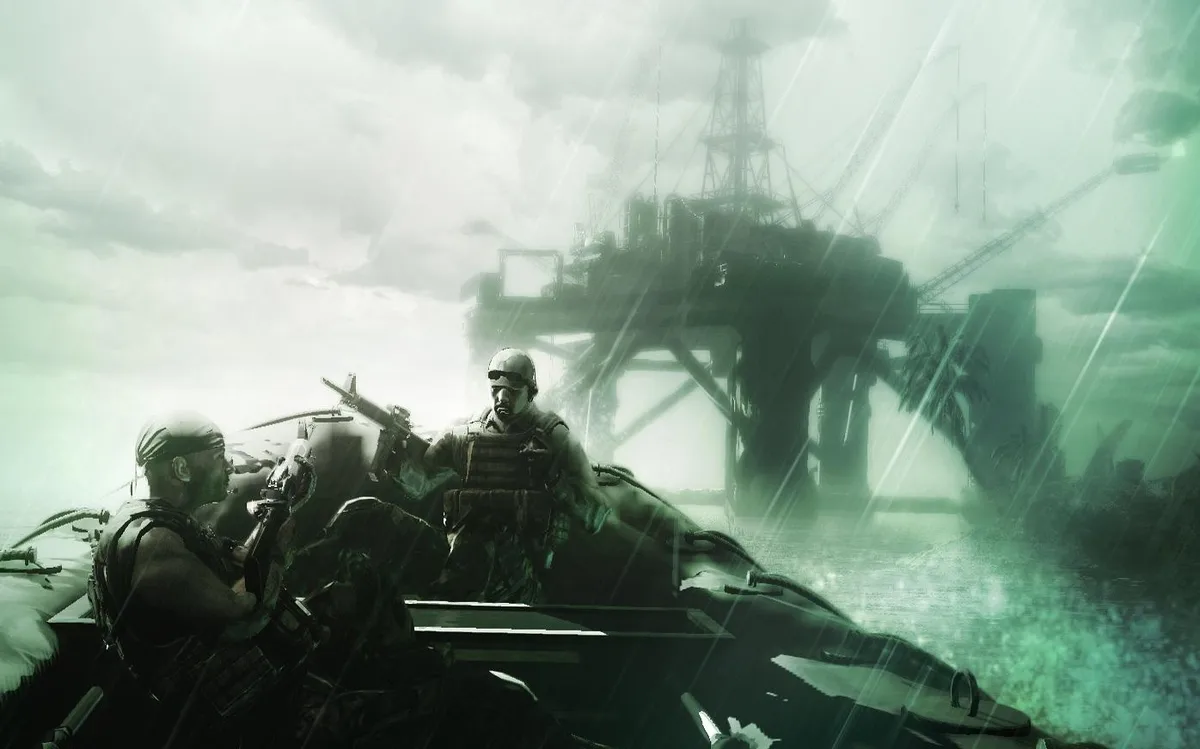
The mission types range from sniper-versus-sniper elimination to real-time tactical assault and fixed machine gun combat. Those three categories represent three different demands. A sniper duel pits one long-range shooter against another and rewards the player who has mastered drop, weather and hold. A fixed machine gun engagement puts a mounted weapon in the player's hands rather than a scoped rifle. Tactical assault is action conducted in real time. The player therefore rotates through the same character set under different constraints, and the sniping routine is only one of the postures the campaign asks for.
Role switching is the second axis of variety. The player controls two separate characters, the sniper and the spotter, documented as distinct playable roles rather than as a single persona. That means the campaign changes not only what weapon is in hand but which of the two figures the player is steering through a given scenario. The sniper-versus-sniper, real-time tactical assault and fixed machine gun mission types all take place within that two-character arrangement.
Alongside those types, the game includes assault scenarios in which the player's weapon skill helps the undermanned rebels reach objectives. Put together, the documented structure gives the player a rotation from covert sniping to assault to mounted combat across a wide array of single and multiplayer levels. That breadth is the closest thing the source material offers to progression detail: variety of assignment and character role rather than a named upgrade tree.
Bullet Cam and the Reward for a Clean Shot
The game's signature visual is Bullet Cam. When the player pulls off the perfect headshot, the game shows the bullet striking the enemy with pin-point accuracy in Bullet Cam mode. The camera turns the round itself into the subject of the view, so the payoff of the documented firing routine, the steady hold and the correctly read trajectory, is presented as a visible impact rather than an abstract score. It is the one moment where the whole calculation becomes legible to the player at once.
That presentation also reinforces the game's stated emphasis on the headshot as the elimination method. Covert missions ask for undetected kills one at a time, and Bullet Cam is the moment the game dramatizes a round reaching exactly the spot the sniper chose. It rewards the player who did the calculation and held the shot, which is the loop the whole design is built around.
Source-Backed Starting Guidance
Given those documented rules, the useful early habits follow directly. Treat stalking and surveillance as a single preparatory skill and let target detection decide when a shot is worth taking; the mission is built to be completed undetected, so patience serves the objective. When the shot is ready, manage breathing for accuracy and account for bullet drop along with wind, fog and rain before firing. Because a headshot is the stated elimination method, aim for it rather than settling for a body shot.
Expect the campaign to change its demands rather than repeat one setup. The sniper-versus-sniper, real-time tactical assault and fixed machine gun mission types ask for different postures, and switching between the sniper and the spotter changes the player's perspective. The AS50, MSG90, SR25 and SVD Dragunov give four sniping rifle types to work the documented firing routine through, so pick a long gun suited to the shot at hand and read the terrain before committing to a position.
2010 Windows Context
Sniper: Ghost Warrior was released in 2010 for Windows, developed by City Interactive and published by CI Games, and it belongs to the action genre. The material summarized here describes that original game. It does not establish any later remake, current package additions or re-release configuration, so none should be assumed when interpreting the mechanics above.
Sources & further reading.
- Sniper: Ghost Warrior — official game profile Retrieved Oct 18, 2026
First published .