 THE GAME ARCHIVE
Playing the Town, Not the Hero
Towns takes the city-building and management genre and folds many RPG features into it. The inversion is the hook: rather than playing the hero who delves deep into the dungeon, you play the town that houses and caters to that hero's needs. You manage a settlement built on top of an active dungeon, so every decision belongs to the town layer while the adventuring happens beneath your feet.
Two halves pull against each other. Above ground you build and defend a settlement; below, travelling heroes you attract explore the dungeons, fight monsters, gain levels, pick up special skills and collect the best loot they can find in order to clear the land of all evil. The publisher states that both the RPG and strategic aspects are to be fleshed out over a series of sprawling dungeons, which frames the town's role as growing alongside the underground spaces beneath it.
The Core Loop: Attract, Support, Defend
The documented loop starts with recruitment. You attract travelling heroes to your settlement, and those heroes then independently explore the dungeons below, fight off monsters, gain levels, acquire special skills and gather loot toward the goal of clearing the land of all evil. Because their exploration is independent, your role is not to steer them downward but to make the town a place that houses and caters to their needs while they come and go.
The second half of the loop points the other way. From the depths come forces that rise toward your settlement, and the publisher's answer is to set up devious death traps and build a settlement capable of holding back those forces. That gives the management layer a defensive purpose beyond comfort: the same town that supports adventurers on their way down is also the structure that must survive what climbs up.
Heroes and Their Progression
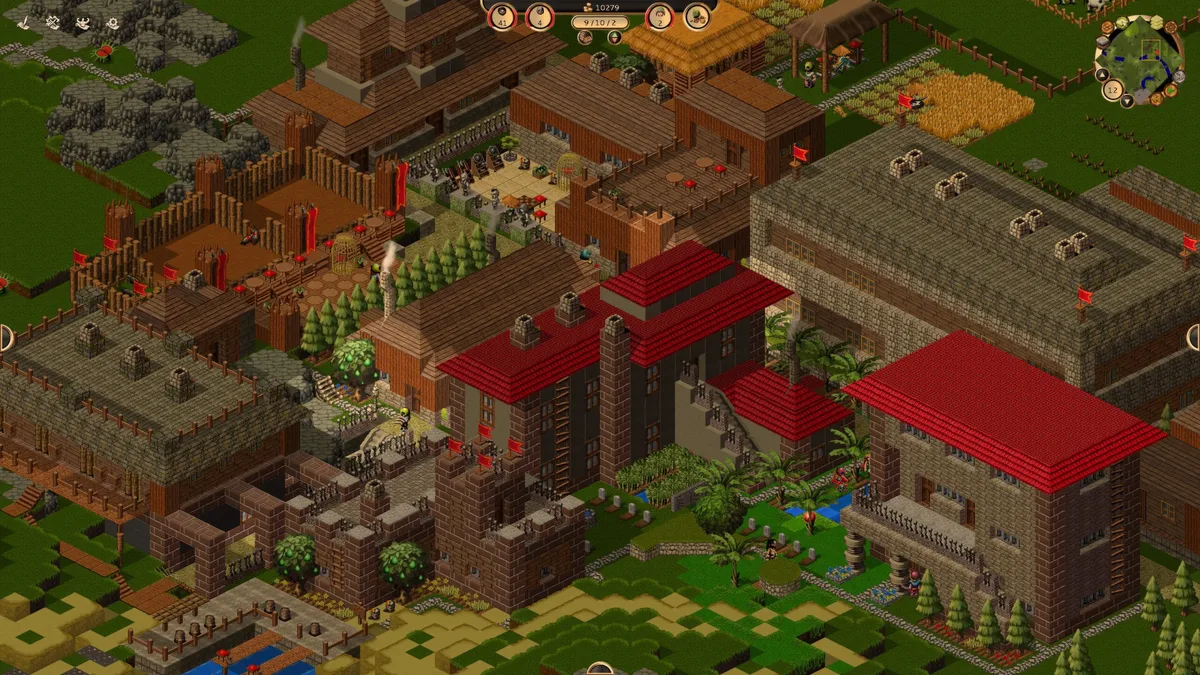
Hero growth is one of the RPG features layered onto the management game. As heroes adventure below they gain levels and special skills, and they collect the best loot they can find. Each of those is a documented hero-side system rather than a settlement-side one: the town provides the base that houses and caters to the heroes, while advancement accumulates on the adventurers themselves through their own exploration and combat.
The practical upshot is a split attention model. You decide who comes to town and how the settlement is arranged and defended, while the heroes handle monster encounters and the pursuit of loot on their own. Your town grows around their needs, and the stated plan to flesh out the RPG and strategic aspects across sprawling dungeons suggests that linkage between settlement and dungeon is the design's center of gravity.
Crafting, Trade and Randomized Loot
Equipment and valuables arrive through several documented routes. You can craft unique weapons, trade with exotic items, and obtain randomized loot. Alongside those, heroes collect the best loot they can find during their independent descents. Each is described as its own action, so the town-side economy and the dungeon-side haul coexist as parallel sources of gear and goods rather than a single described chain of cause and effect.
That spread matters for how you think about outfitting. Crafting implies deliberate production of specific weapons, trade implies exchange for exotic goods, and randomized loot adds chance to what turns up. Keeping those separate is useful planning: each supplies equipment and valuables by a different route, and the heroes' own gathering below is a further, independent contributor to the items moving through the game.
Traps and Holding the Line Above
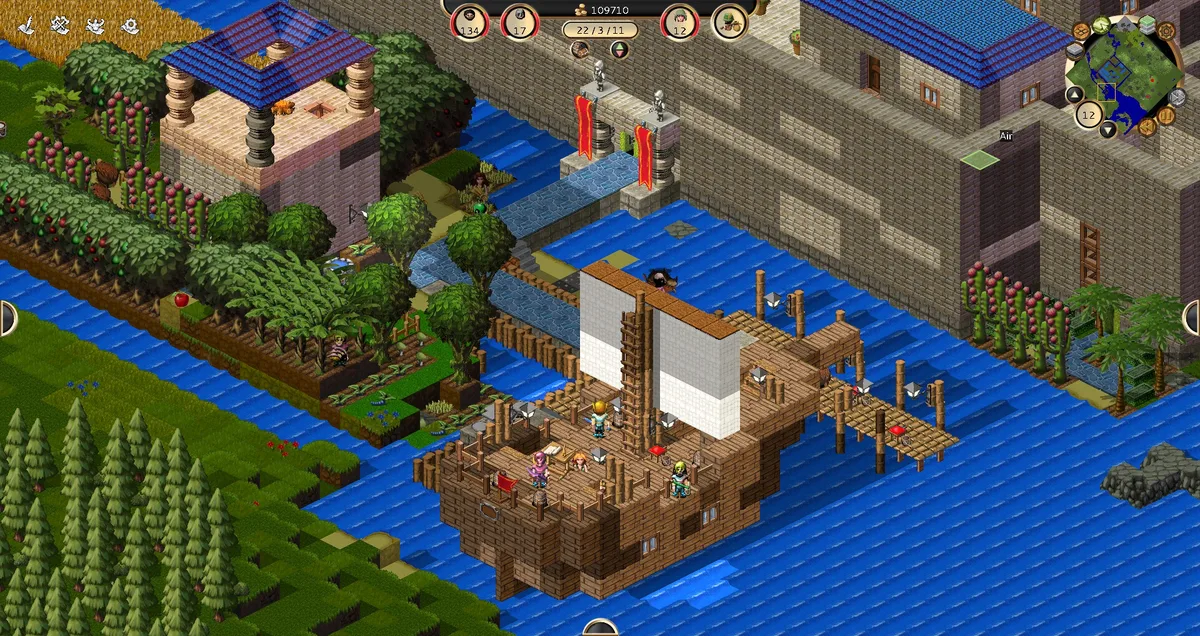
The defensive systems are aimed squarely at what comes up from the depths. You set up devious death traps as part of the town, and you build a settlement capable of holding back the forces that emerge from below. Traps are thus a documented player action on the settlement side, working together with the broader task of raising a settlement strong enough to endure those incursions.
The two combat contexts stay distinct in the documented material. Heroes fight off monsters during their independent descents, while the settlement's defense is the town-side answer to the forces rising from the dungeon. Reading those as separate arenas helps: hero combat happens through exploration below, and trap placement plus settlement fortification is how you prepare the town for what arrives from the depths.
How to Approach a Run
The documented rules suggest treating the town as two jobs held at once. On the recruitment side, draw travelling heroes in and keep the settlement housing and catering to their needs so their independent exploration below can continue. On the defensive side, put trap-making and settlement fortification in place against the forces that come up from the depths. Because hero exploration is independent, the lever you actually hold is the settlement around them rather than their route through the dungeon.
For gear, plan around the three documented sources instead of relying on any one. Crafting unique weapons gives a controlled production route, trading covers exotic items, and randomized loot introduces chance. Heroes gathering the best loot they can find is a fourth, dungeon-side stream. Since the publisher frames the RPG and strategic aspects as unfolding across sprawling dungeons, expect the settlement's support role to stay tied to an underground that extends well beyond a single descent.
Why the Inversion Works
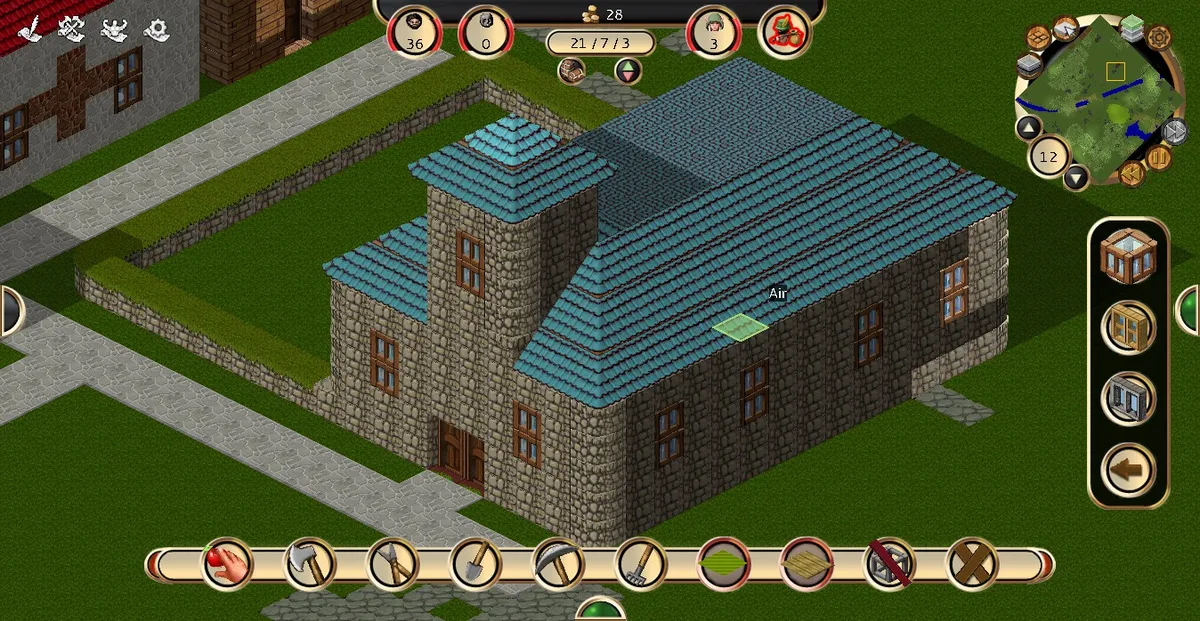
The design's memorable idea is that the dungeon is infrastructure, not just a stage. You manage a settlement on top of an active dungeon, and that single placement generates both halves of play: heroes have somewhere to descend from and to return to, and the town faces a threat that originates directly beneath it. The RPG features borrowed into the management genre are what give those two directions something to trade in, from levelling and special skills below to crafting, trade and traps above.
Release and Platforms
Towns was released in 2012 for Windows, macOS and Linux. The developers are listed as Xavi Canal and Ben Palgi, with SMP as publisher. Those catalog details describe the game as it is presented on Steam; this feature identifies no ports, remakes or later package additions beyond the listed platforms.
Scroll sideways to see the full table →
| Field | Detail |
|---|---|
| Game | Towns |
| Release year | 2012 |
| Platforms | Windows, macOS, Linux |
| Developers | Xavi Canal, Ben Palgi |
| Publisher | SMP |
| Genres | Indie, RPG, Simulation, Strategy |
| Core premise | Manage a settlement on top of an active dungeon; heroes explore below |
Sources & further reading.
- Towns — official game profileRetrieved Oct 28, 2026
First published .